
 Image 1 of 8
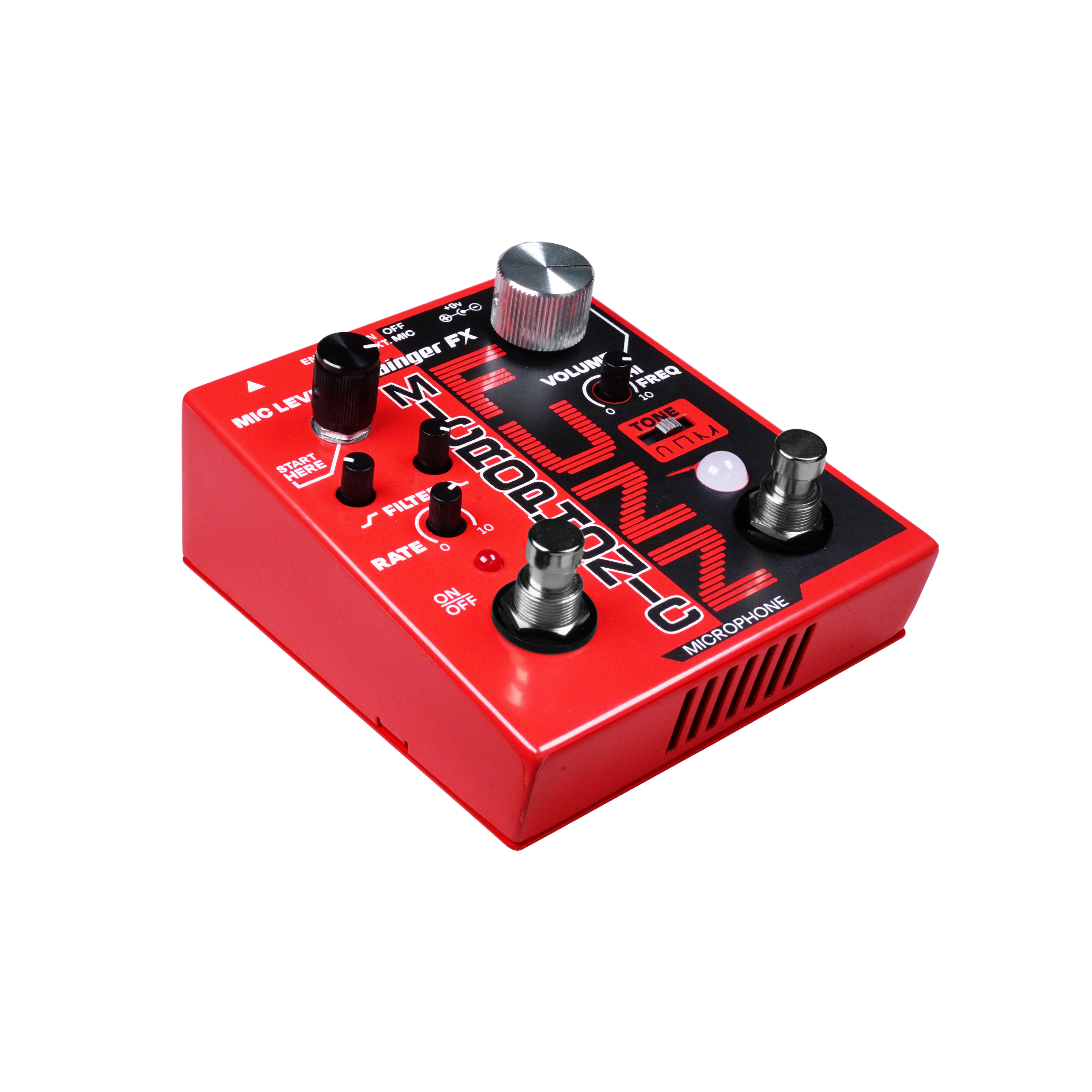 Image 2 of 8
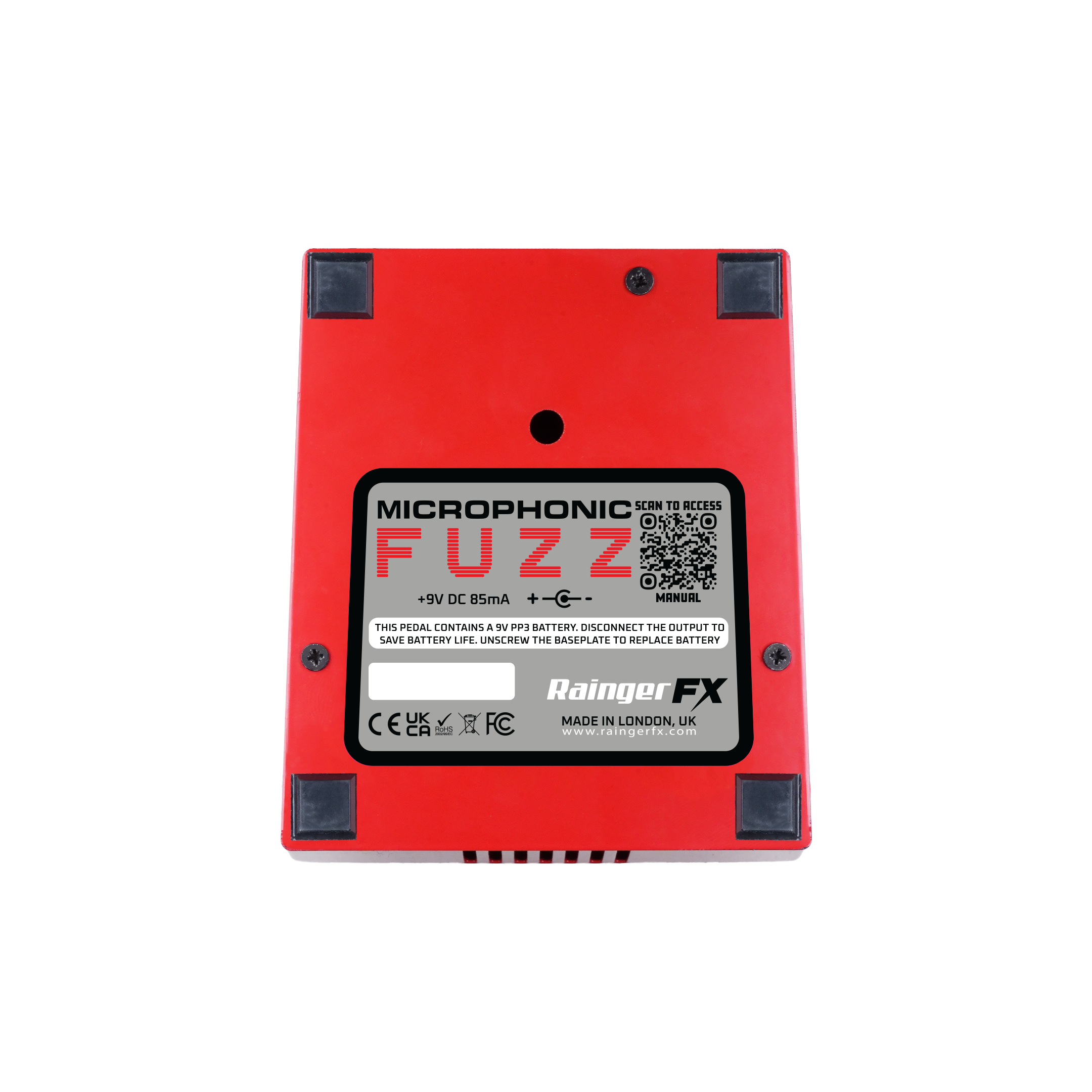 Image 3 of 8
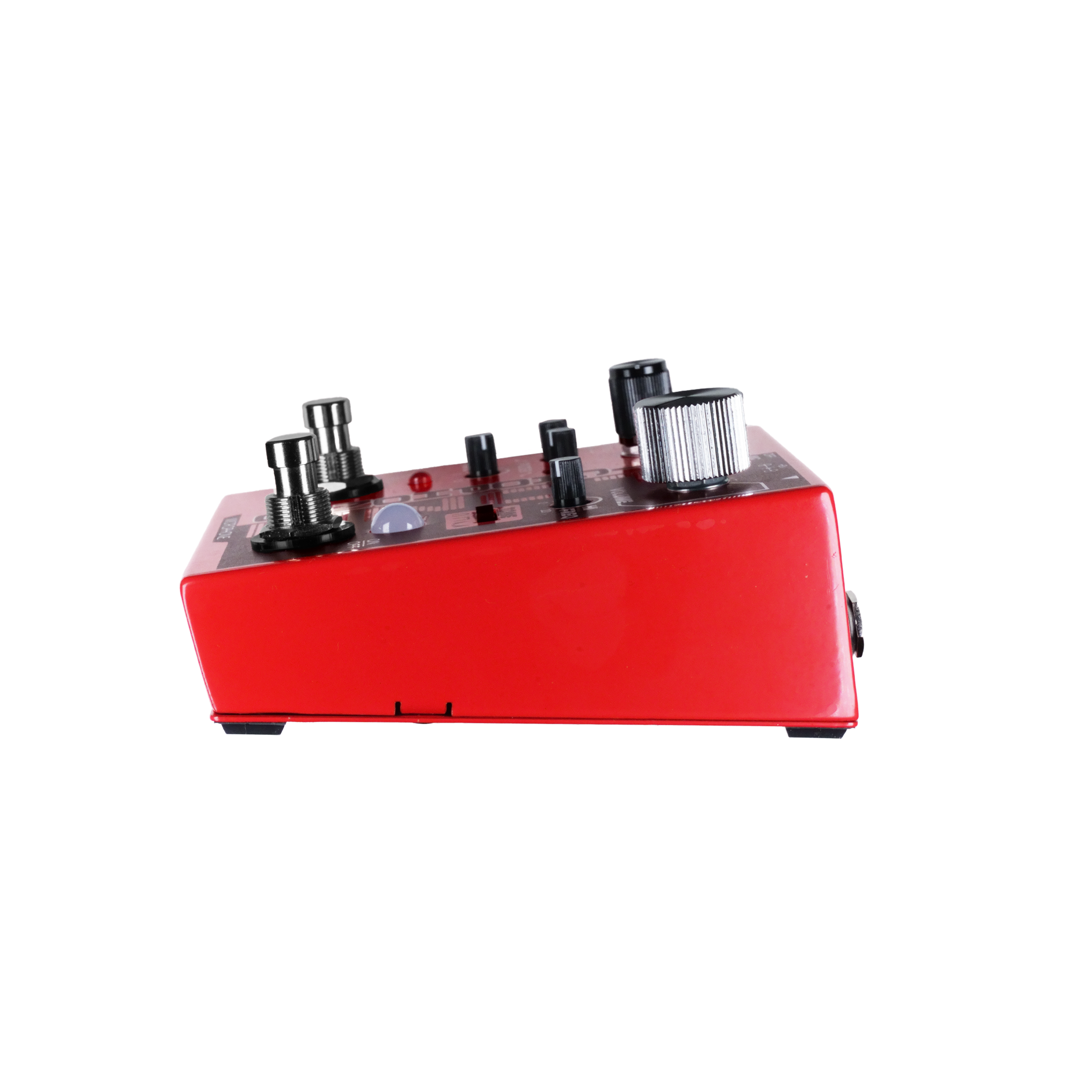 Image 4 of 8
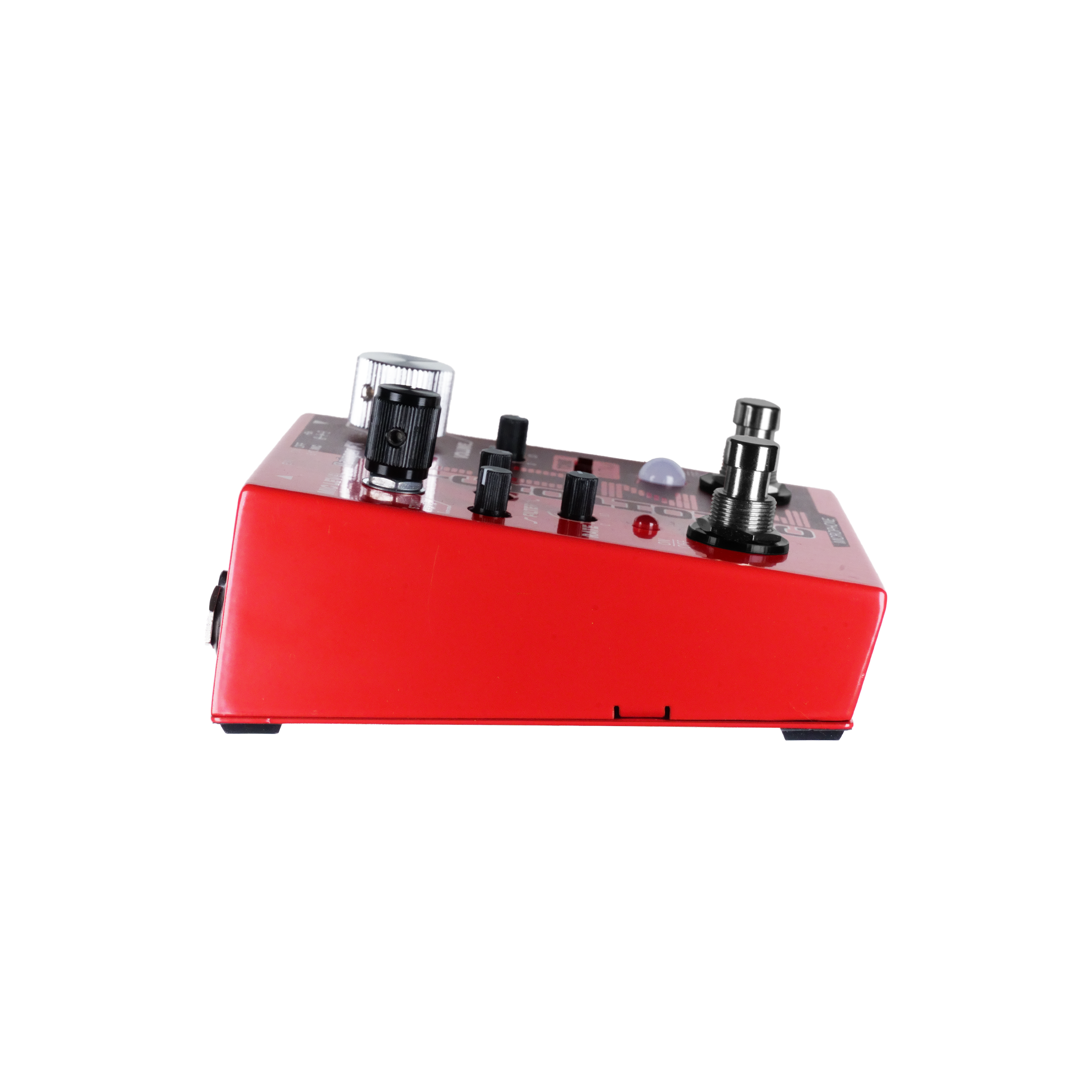 Image 5 of 8
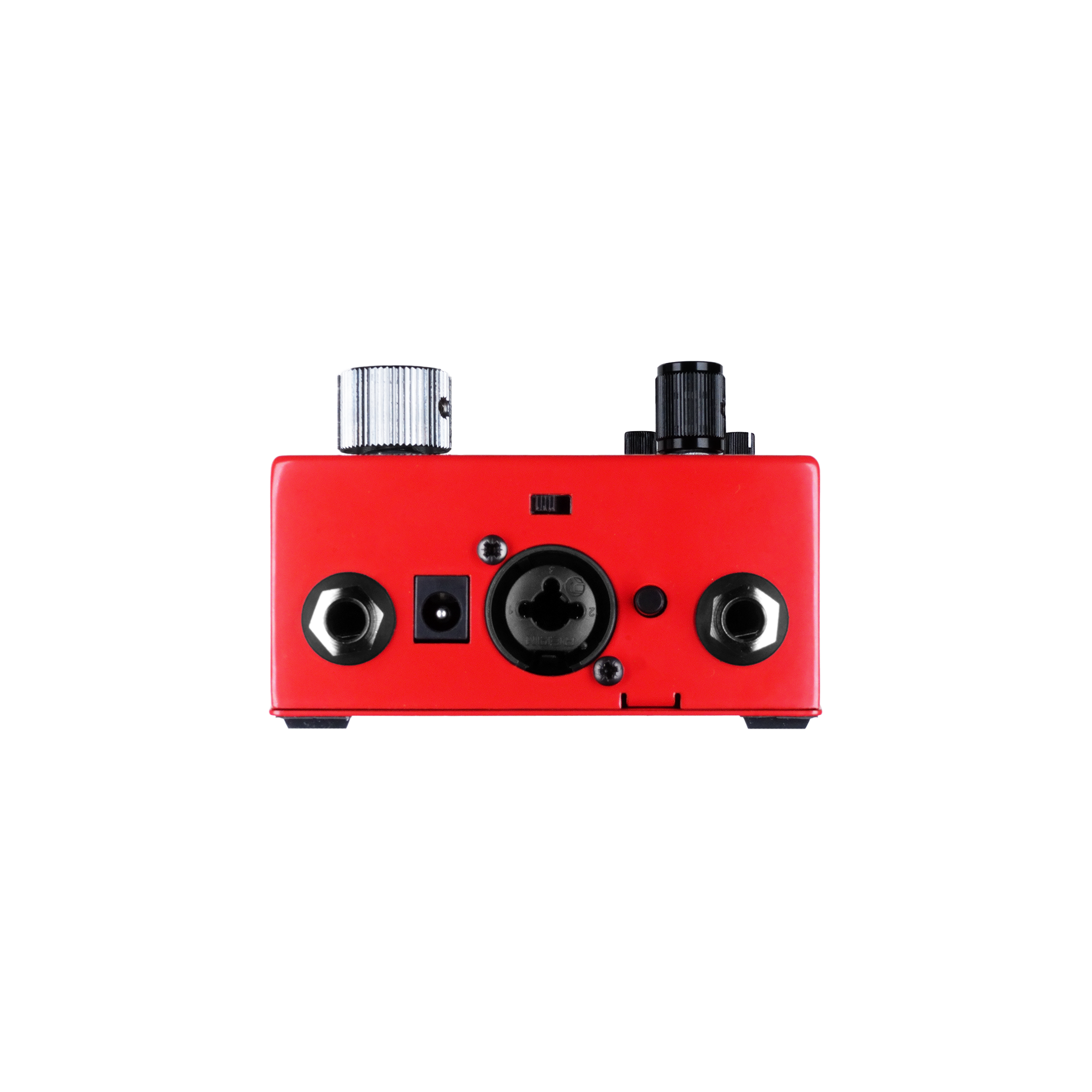 Image 6 of 8
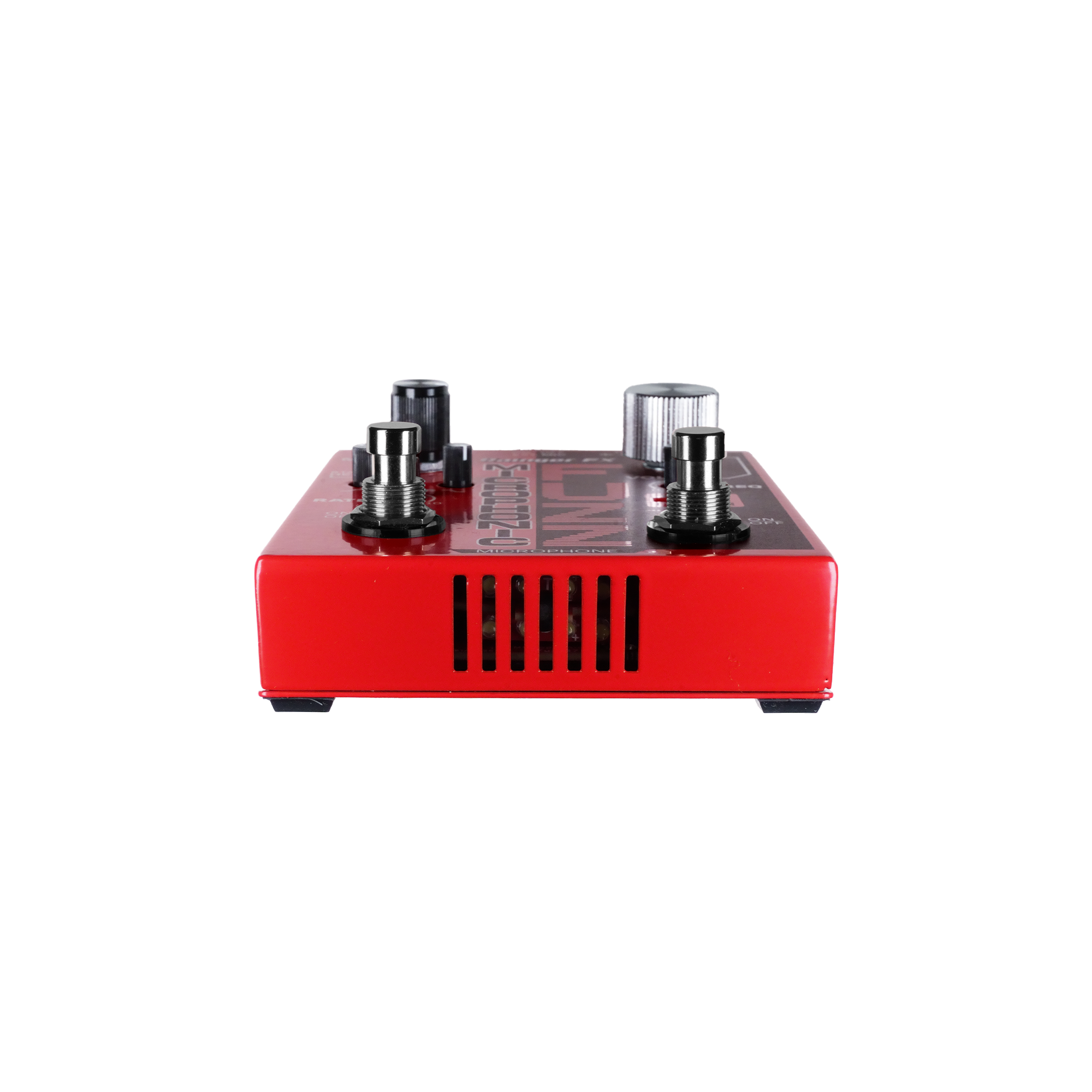 Image 7 of 8
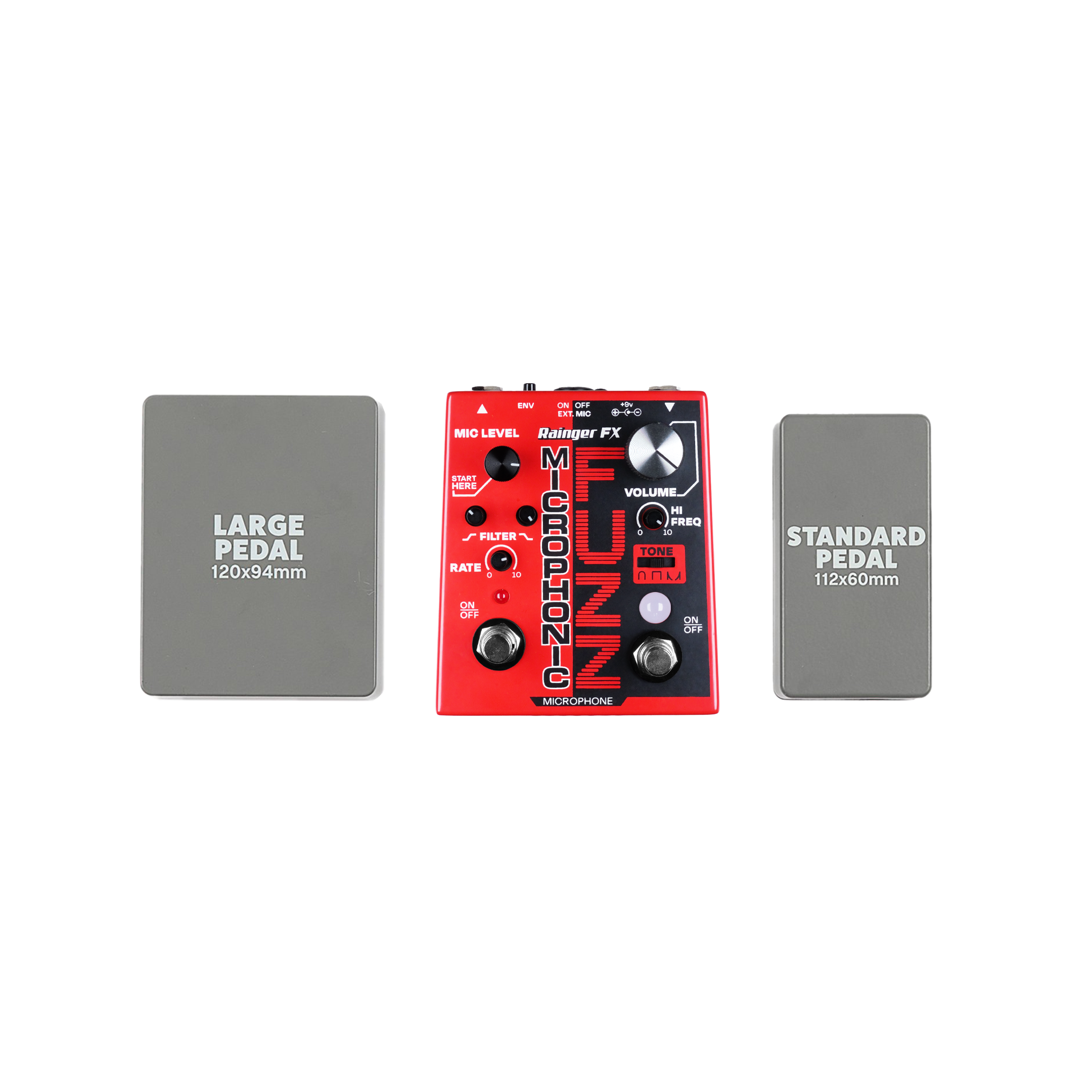 Image 8 of 8
DESCRIPTION
The Microphonic Fuzz is a ground-breaking fuzz box with a fully-controllable mic inside - that can be switched in or out. It’s a hybrid pedal - the fuzz is analog, while the mic is controlled digitally.
Generally, when audio equipment becomes ‘microphonic’ it starts picking up sounds acoustically (often most noticeable if you tap it). It’s usually a sign that it’s dying - but on the way to expiring it can start to make amazing fluky sounds you don’t normally get…
The Microphonic Fuzz has this as a controllable phenomenon… And it can be switched out - brought back to life - to be a perfectly-behaving high-gain fuzz box!
This microphone thickens the sound, magnifies the ambience of the room and makes everything sound far more ‘live’ and exciting!!
It’s true bypass.
THE FUZZ
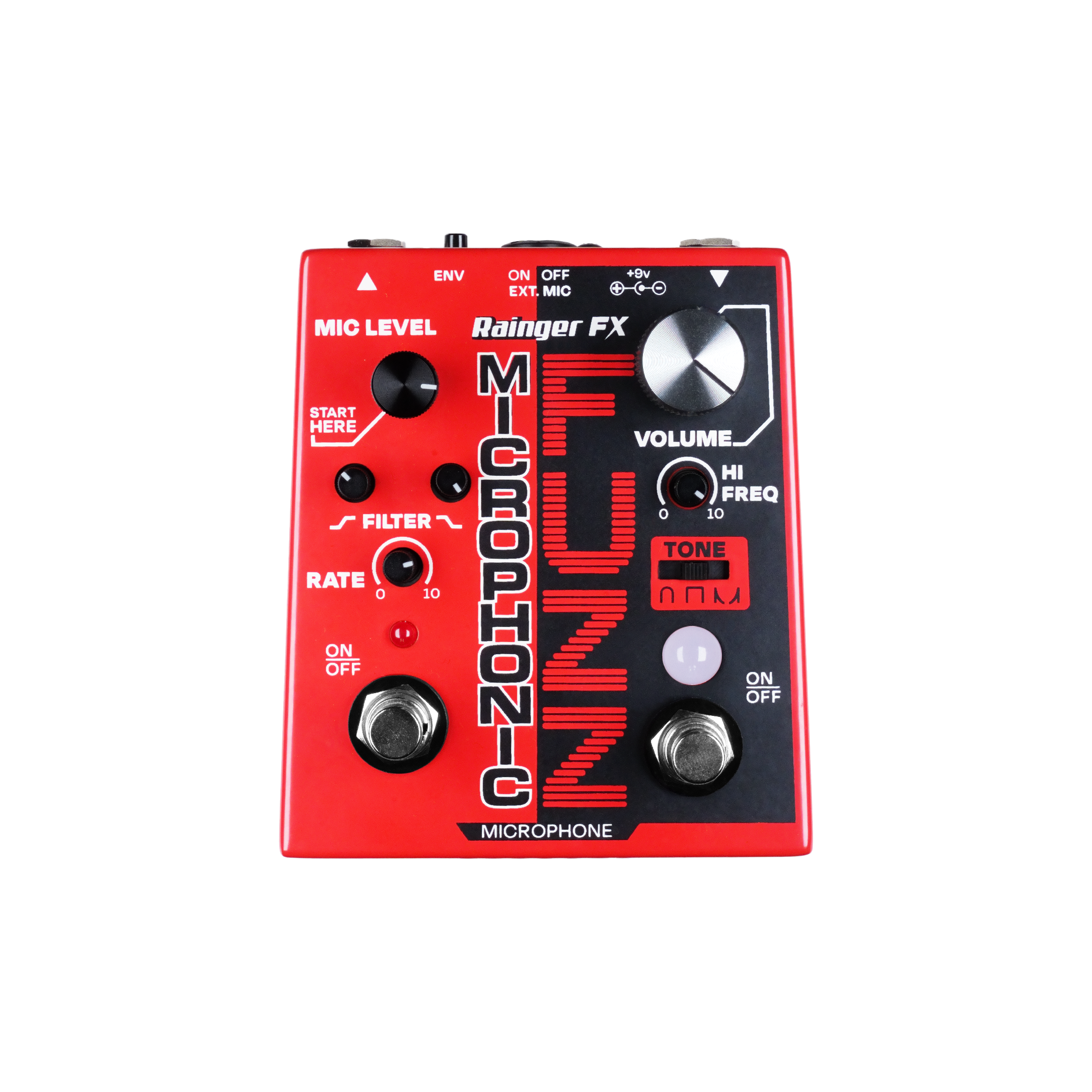
This is our own fuzz circuit, high-gain, not very saggy, and not gated. Turn down your guitar volume and it cleans up quite well, and in conjunction with the ‘Tone’ switch can do three varied sounds - including one where there’s no tone circuit at all, which has a mid frequency-heavy profile.
Also on offer is an ultra-scooped setting (lots of bass and treble, no mids), which, combined with the middle-y setting, produces a massive full-range tone (the third one).
It has a very useful ‘Hi Freq’ knob, adjusting the amount of treble overall.
The Microphone
The internal mic is just inside the grill on the bottom end panel of the enclosure, and when engaged, picks up the sound around it - of course whatever comes out of your amp - and sends it back through that amp, with the sound of the room added. Then it does this again and again, magnifying the ambience of the room.
Of course it can feedback easily when pushed, but the strong filters can concentrate feedback around a particular note (eg the key of the song you’re playing). It takes a bit of careful balancing of the hi and lo-pass controls and the mic volume - and maybe try moving/rotating the pedal - but some great fluky sounds are easily possible.
WARNING! The Microphonic Fuzz contains an open mic with possibly huge amounts of gain; this can easily produce loud feedback - which can damage hearing if not carefully controlled!
ALSO! The pedal has a strong white light display - activating when the mic is feeding back, and with some internal squarewave tremolo added, these can flash quickly… If you look directly into them it can trigger seizures in people with photosensitive epilepsy and cause dizziness, nausea, or headaches in the general population.
There are two strong filters to shape and direct the feedback to specific frequency regions, and to get rid of unwanted regions.
There’s a ‘Rate’ knob that adds a chopped (squarewave) tremolo to the mic circuit (not the guitar signal circuit), the speed going from very slow blocks of sound up to a slow buzz.
There’s a subtle flanging effect on the mic - quite shallow depth; this is to give slight variation to the feedback note, and to stop feedback being one single, piercing, scream…
Some interesting features…
In a big room, the distance between the pedal and the amp starts to become a factor, as sound does take a certain amount of time to travel between the two (sound travels at 343m/sec).
This is heard as a very fast echo - a bigger spatial aspect to the sound - made from the ambience of the room!
Turning the pedal physically by 90 degrees will change the feedback frequencies available.
The Microphonic Fuzz will often sit there just picking up conversational talking when you stop playing (depends how you set it), so of course acoustic drums can really trigger it - and they’ll come out through your guitar amp as well! Or using an external mic plugged into the pedal’s XLR socket, you can put the mic in your drummer’s bass drum, and have that exploding through your amp - with any other effects on it that you’re using on your pedalboard!
You can sing into the pedal’s internal mic - through fuzz, feedback, and tremolo!!! It can be battery-powered (9v PP3), so when hand-held you only need a lead in the output socket. When you sing into it, the white LEDs illuminate your mouth…
The battery takes over if your PSU gets unplugged. To save battery life, unplug the OUTPUT cable from the socket.
Using headphones, the ‘mic’ side of the pedal works quite differently, no feedback - just adding in the acoustic string and plectrum noise (provided the pedal is close enough to you). This is a different effect - but can be useful.
To register your pedal, email david@raingerfx.com and let us know how you found out about Rainger FX, and what instrument and kind of music you play.
-
Is it possible to have the internal mic working, but with no fuzz?
No
What is the current draw of the pedal?86mA
What are the pedal’s dimensions?
119mm (depth) x 102 (max width) x 59mm (height)
Why is there no gain control?
We felt the fuzz circuit cleaned up so well that it seemed the amount of gain could be controlled by the guitar’s volume knob, so we kept it simple!
What happens when the high and low filters overlap - is there any mic sound at all?
There is some sound but you have to turn up the volume (mic, or overall) to hear it.
Why would I want to buy a broken fuzz box?!
The Microphonic Fuzz is designed to do what it does! But you should buy it because as audio equipment dies, it can produce sounds that you can’t usually get any other way… Temporary, but magic!
The Microphonic Fuzz aims to consistently find that magic!
If you use it for a while with feedback lurking - and ambience-thickening, when you finally turn the mic circuit off, everything sounds…. Kind of dull? Restrained? Definitely less exciting…!
So does the pedal’s sound change from room to room, and depending on if it suddenly gets full of people?
Yes it does! It may be that each time you use it, it makes a unique, special sound - but that’s part of its serendipitous nature…. However it’s quite easy to get to the kind of sound you’re intentionally after - whether it’s edge-of-feedback intensity, low-droning throbs or full-blown howling stuttering banshee at your command!
Why is there flanging on the mic signal?
Because with a stationary microphone pushed into feedback, the sound you’ll get will be one single unchanging note - usually a piercing tone that will clear a room quick! However, put a bit of flanging on it, and the movement it brings makes the feedback seem more alive…
Can the flanger be turned off?
No